
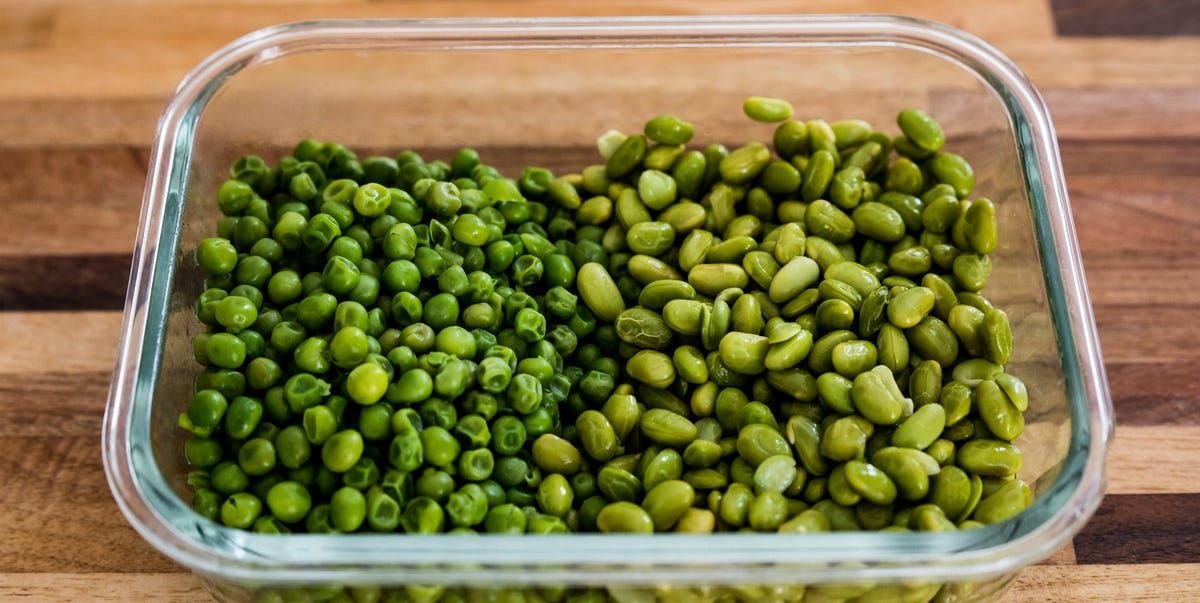
Per the USDA, 100 g of boiled green peas without salt contains:
- 84 calories
- 5 g of protein
- 0.2 g of fat
- 15.6 g of carbohydrates
- 5.5 g of fiber
Edamame benefits
“Edamame is a great source of fiber, protein, and healthy fats. These nutrients help with satiety, or feeling fuller for longer, and the regulation of blood sugars throughout the day,” says Lena Bakovic, M.S., R.D.N., C.N.S.C., a registered dietitian nutritionist at Live It Up. On the protein front, edamame joins quinoa, buckwheat, amaranth, hemp, chia seeds, tofu, and tempeh as plant-based complete proteins, or those that contain all nine essential amino acids that must be consumed through food.
“Edamame is also packed with vitamin K, folate, and minerals like magnesium and manganese,” says Stephanie Crabtree, M.S., R.D., a functionally minded dietitian based in Sarasota, FL. Vitamin K plays a key role in both blood clotting and bone health, manganese helps produce the enzymes involved in protein, fat, and carbohydrate breakdown, and magnesium is important for energy production, muscle and nerve function.
As a soy-based food, edamame beans also contain isoflavones, which are natural compounds found in soybeans. Research has suggested that isoflavones may reduce your risk of heart disease, diabetes, and certain cancers, plus protect against menopause symptoms and osteoporosis.
Possible downsides of edamame
Despite the study-proven benefits of isoflavones, soy-based foods like edamame remain a bit controversial in some health circles. “Edamame is a source of phytoestrogens, which mimic estrogen in our bodies,” explains Bakovic. “For certain patients with breast cancers that are hormone-sensitive, this can be concerning. However, this specific concern has not been proven scientifically thus far, as the presently available research has been mostly inconclusive to date.” In fact, a review published in Advances in Nutrition that analyzed 40 different trials found that soy isoflavones (which are a type of phytoestrogen) do not mimic, block, or interfere with the body’s naturally produced estrogen.
In the same vein, Crabtree notes that older studies have shown that soy-based foods may interfere with thyroid health, although more recent research does not support this claim.
Besides those largely debunked concerns, there are hardly any downsides to eating edamame. Bakovic says that some people may experience GI issues, but that’s pretty rare.
Peas benefits
“Similar to edamame, peas are a source of both fiber and protein, helping provide both digestive benefits and enhanced satiety,” says Bakovic. Peas contain less protein than edamame (plus they are not a complete protein) and slightly more fiber. “Peas are rich in Vitamins A, C, E, and zinc, which are nutrients that support the immune system,” Crabtree says. Per the Cleveland Clinic, they also contain various polyphenols, including lutein and zeaxanthin, which fight inflammation and protect the eyes and skin. According to a review in Frontiers in Nutrition, peas have been found to have anti-cancer, anti-obesity, and cardio-protective benefits.
Like edamame, peas are often purchased frozen because they are much easier to cook and enjoy than raw. “Frozen peas retain nutrients best, so they are a great option to have on hand,” Crabtree adds.
Possible downsides of peas
For Complete Cooking STEPS Please Head On Over To Next Page Or Open button (>) and don’t forget to SHARE with your Facebook friends.
