
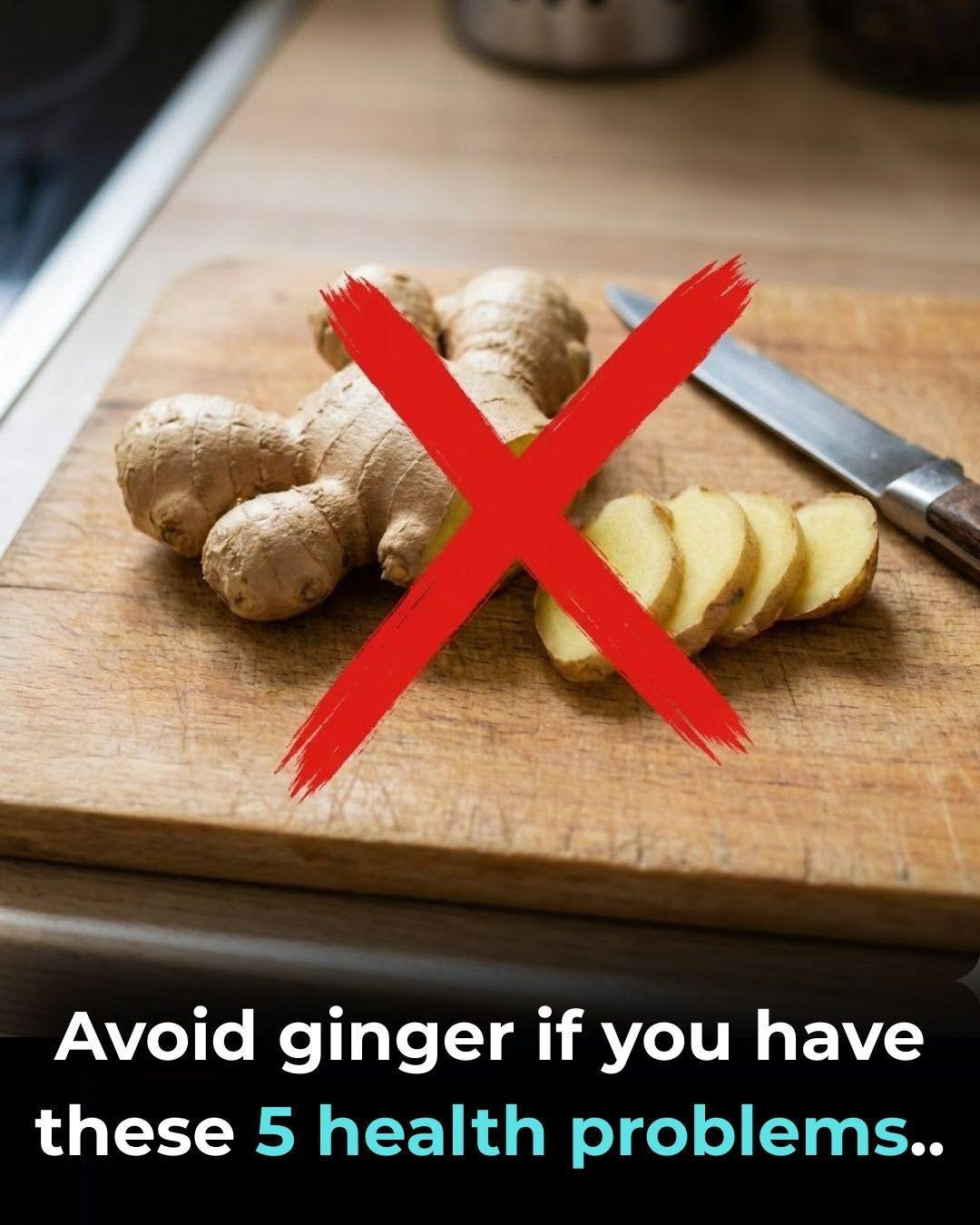
Why the Concern: Some studies suggest high doses of ginger may interact with calcium channels and affect heart rate and blood pressure.
The Risk: For individuals with uncontrolled hypertension or those on specific blood pressure or heart rhythm medications (like calcium channel blockers, such as nifedipine or verapamil), concentrated ginger could potentially interfere with medication efficacy, causing blood pressure to drop too low or affecting heart rhythm.
Practical Advice: If your heart condition is well-managed and you’re on a stable medication regimen, small culinary amounts are generally safe. However, avoid self-prescribing high-dose ginger supplements and inform your cardiologist of any supplements you take.
4. GERD, Ulcers, or Inflammatory Bowel Disease (IBD) Flares
Why the Concern: While ginger can soothe mild nausea and indigestion for many, its pungent compounds can be irritating to a sensitive or already inflamed digestive lining.
The Risk: During an active flare of gastritis, peptic ulcers, or IBD (like Crohn’s or ulcerative colitis), ginger may cause a burning sensation, heartburn, or worsen abdominal pain. Its stimulating effect on digestion can be too much for a troubled gut.
For Complete Cooking STEPS Please Head On Over To Next Page Or Open button (>) and don’t forget to SHARE with your Facebook friends.
