
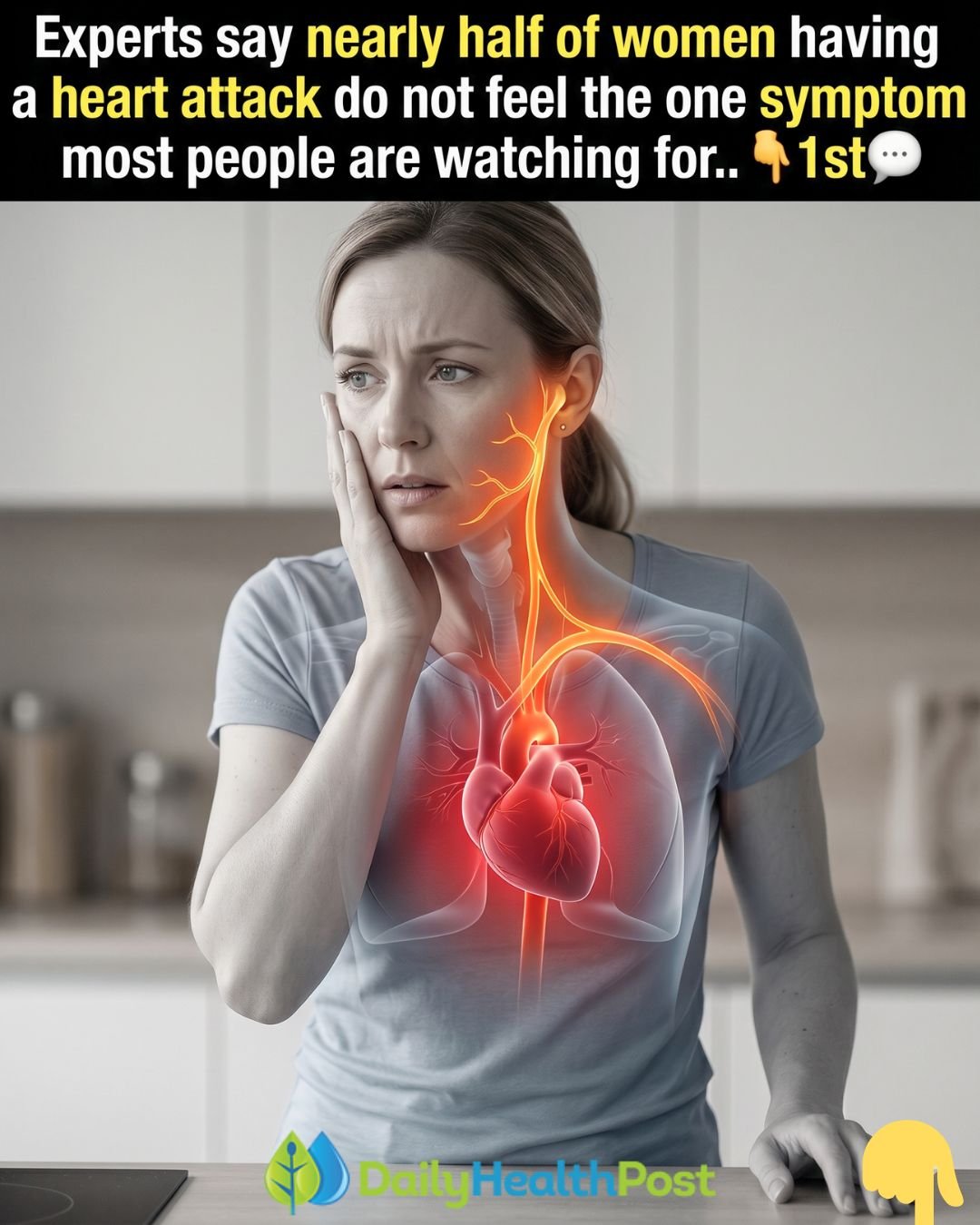
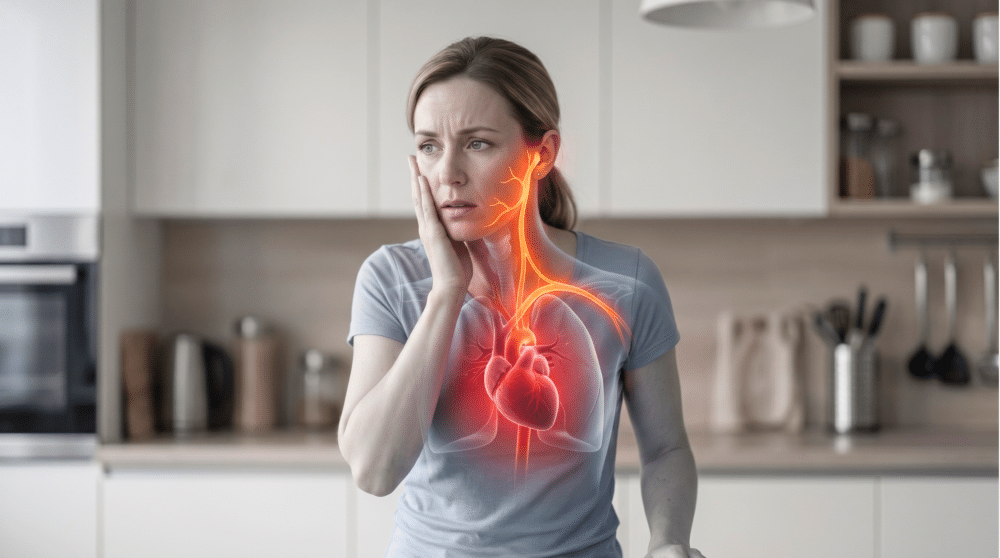
Have you ever felt a strange, deep fatigue that you just couldn’t shake? You don’t have any sharp chest pain, so you brush it off as stress or a bad night’s sleep. As the hours pass, you feel a little short of breath and break into a cold sweat, but you keep telling yourself it will pass. What you might not realize is that you could be experiencing a heart attack. The statistics are sobering: one in every three deaths in women is due to cardiovascular disease, and many of those are from heart attacks. What’s most alarming is that nearly half of all women who have a heart attack don’t experience the classic, crushing chest pain we all expect. For women, the signs are often different and dangerously subtle.
These symptoms are frequently mistaken for digestive issues, stress, or a muscle strain, causing a delay in seeking critical, life-saving care. Let me tell you a story to illustrate what this looks like. Consider Marta, a very active 56-year-old non-smoker. She started feeling a pain in her upper back and a sense of exhaustion she had never felt before. She chalked it up to sleeping in a bad position or being overworked. Hours later, she was in the emergency room with an advanced heart attack. If Marta had known that heart attack symptoms manifest differently in women, she would have sought help sooner, and the damage to her heart could have been significantly less. This happened to Marta, but it can happen to any woman, which is why you need to be aware of the signs. (Based on the insights of Oswaldo Restrepo RSC)
Key Takeaways
- Heart attack symptoms in women are often subtle and do not always include the classic chest pain seen in men.
- Key differences are due to hormonal factors (especially after menopause), smaller coronary arteries, and how women’s bodies process pain.
- Be vigilant for unusual symptoms like extreme fatigue, shortness of breath, pain in the back, neck, or jaw, nausea, and cold sweats.
- In a heart attack, time is muscle. Do not wait to see if symptoms improve; seek emergency medical help immediately.
- You can significantly lower your risk through preventative care, including managing blood pressure, cholesterol, and blood sugar, as well as adopting a heart-healthy lifestyle.
1. Why Are Heart Attacks in Women So Different?
Understanding why heart attacks present differently in women is the first step toward protecting yourself. It’s not just one thing; it’s a combination of hormonal, anatomical, and even neurological factors that create a unique and often misleading clinical picture.
For Complete Cooking STEPS Please Head On Over To Next Page Or Open button (>) and don’t forget to SHARE with your Facebook friends.
