
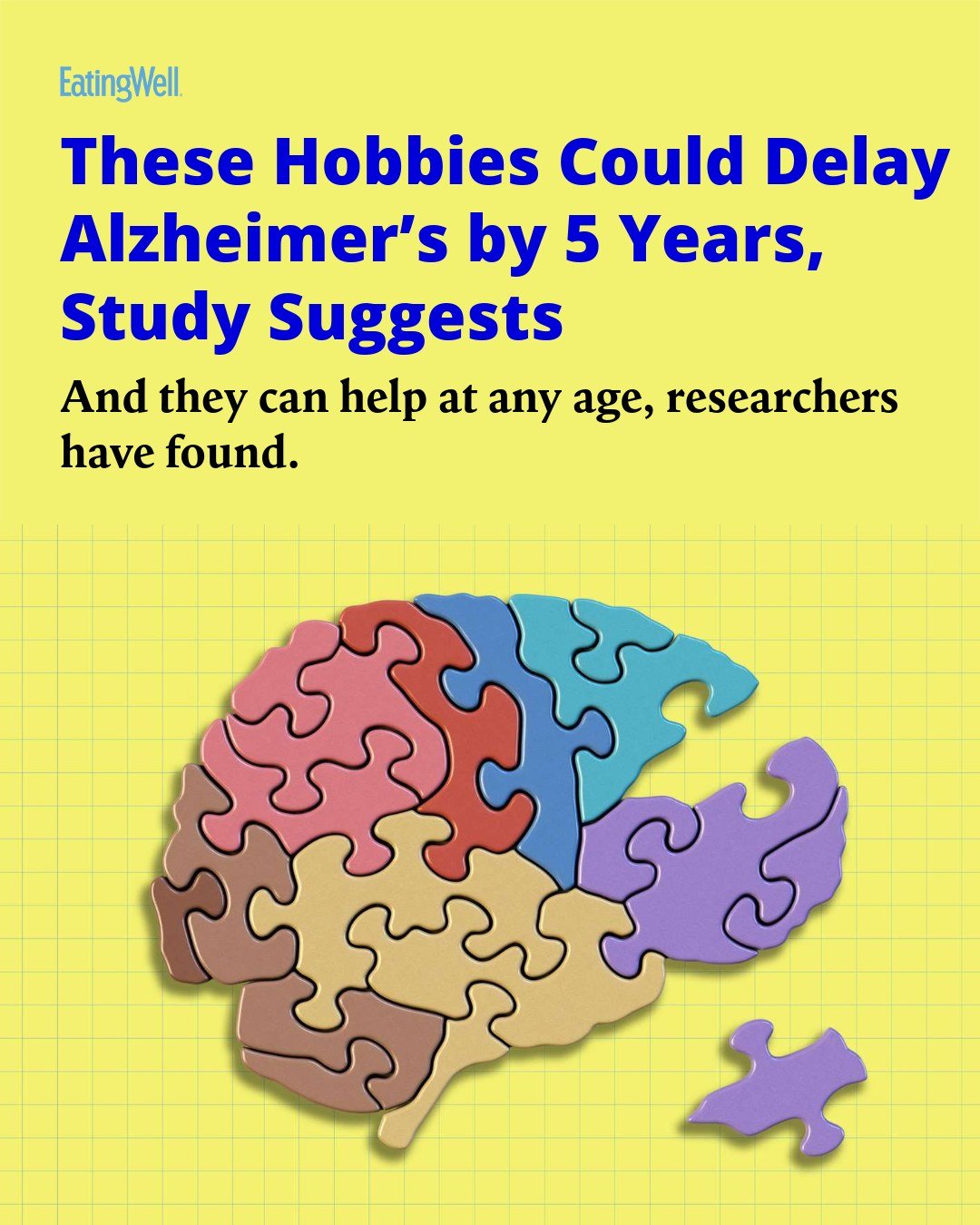
We’ve all heard that keeping our minds active by reading, learning or taking on new challenges can help keep our brains healthier as we age. But what counts as meaningful “cognitive enrichment,” and how might experiences from childhood through adulthood add up to influence memory and thinking later in life?
While past research shows that things like our education, the resources we can access and our daily mental activities can all play a role, scientists still have questions about what matters most. A new study set out to look at how a lifetime of intellectual engagement might impact the risk of dementia and cognitive decline, and the results were published in Neurology.1
How Was the Study Conducted?
To understand the connection between a stimulating life and brain health, researchers turned to the Rush Memory and Aging Project (MAP). This long-term study follows older adults living in northeastern Illinois. A key strength of the MAP study is that participants are evaluated in their own homes, which helps include a wider range of individuals, not just the healthiest volunteers. For this specific analysis, researchers focused on nearly 2,000 participants who did not have dementia at the start of the study.
The researchers created a “lifetime cognitive enrichment” score for each person. This wasn’t just about doing crossword puzzles in retirement. They looked at enrichment across three life stages:
- Early life: This included factors like parents’ education, access to cognitive resources at age 12 (like having books, a globe or an encyclopedia in the house), how often they were read to as a child and whether they had foreign language instruction before age 18.
- Midlife: This measured income level at age 40, access to resources like magazines or a library card and how often they engaged in stimulating activities.
- Late life: This focused on current income and frequency of cognitive activities like reading, writing and playing games.
By combining these measures, the study created a comprehensive picture of each person’s exposure to intellectual stimulation throughout their entire life.
Related Stories
:max_bytes(150000):strip_icc()/These-3-Simple-Changes-Could-Lower-Your-Dementia-Risk-New-Study-Says-f6f8684aed594a62b2546b13d4d4fb17.jpg)
:max_bytes(150000):strip_icc()/This-Supplement-Could-Protect-Your-Brain-From-Dementia-New-Study-Suggests-3e065746a9234f859c04541358e13205.jpg)
